Assisted living in Washington is governed by statewide standards that set clear expectations for safety, staffing, resident rights, and daily care practices. These rules create a consistent baseline across communities while still allowing flexibility in how care is delivered. Understanding them helps families evaluate options based on substance rather than surface details.
A quick search can make assisted living feel overwhelming, especially when every community claims a personalized approach. What often gets overlooked is the shared framework guiding how care is planned, documented, and delivered across the state.
When families in Port Orchard, WA, recognize how these standards influence daily routines, staff training, and resident protections, the decision process shifts from guesswork to clarity, making the next step feel far more certain.
Assisted Living Regulations: Safety and Emergency Preparedness
Safety standards are a central part of how assisted living operates across Washington. Communities are required to maintain secure buildings, clear evacuation routes, and emergency systems designed to protect residents with varying mobility and health needs.
These expectations are not limited to fire safety alone. They also cover:
- Power outages
- Severe weather
- Medical emergencies
- Evacuation planning
- Communication procedures
Emergency preparedness goes beyond written plans. Assisted living communities are expected to train staff regularly, run drills, and review procedures so responses feel calm and coordinated when it matters most.
Clear communication with residents and families is also part of the standard, helping everyone understand what steps are taken during an emergency and how support continues afterward.
Staffing and Training Requirements
Staffing standards shape the quality of care in WA. Communities are expected to maintain enough trained caregivers on site at all times to meet resident needs, including overnight and weekend coverage. The focus is not just on headcount, but on having the right mix of skills available so residents receive timely, respectful support without feeling rushed or overlooked.
Training requirements reinforce consistency and safety. Caregivers complete instruction in areas such as:
- Personal care support
- Infection control
- Resident rights
- Emergency response
- Dementia awareness and cognitive support
- Fall prevention and mobility assistance
Ongoing education is part of the expectation, allowing staff to stay prepared as care needs change and best practices evolve.
Choosing Assisted Living: Activities
Activities are a meaningful part of assisted living standards in Washington because quality of life extends beyond basic care. Communities are expected to offer a range of opportunities that support social connection, mental engagement, and personal interests.
These programs are designed to respect different energy levels and abilities, giving residents options rather than obligations. Well-planned activities also reflect individual choice. Residents may participate in:
- Creative sessions
- Light movement
- Discussion groups
- Community events
- Educational talks
- Music-based activities
While others prefer quieter ways to stay engaged. The emphasis is on balance, making sure activities feel enriching without becoming overwhelming.
Dining
Dining standards in Washington assisted living communities like Liberty Place in WA focus on nutrition, dignity, and choice. Meals are expected to meet basic dietary guidelines while accommodating:
- Medical needs
- Cultural preferences
- Personal tastes
- Religious or ethical food choices
- Texture or chewing considerations
This approach recognizes that food plays a role in health, comfort, and routine, not just daily nourishment.
The dining experience itself matters just as much as what is served. Communities are encouraged to create settings that feel welcoming and unhurried, allowing residents to enjoy meals socially or quietly, depending on preference. Flexibility around menu options and mealtimes helps residents maintain a sense of control and normalcy.
Frequently Asked Questions
How Is Most Assisted Living Usually Paid For?
Most assisted living is paid for through a mix of private funds and long-term planning rather than traditional health insurance. Monthly costs are commonly covered using personal savings, retirement income, pensions, or proceeds from selling a home. Some families also use long-term care insurance if a policy is in place, which can offset part of the monthly expense depending on coverage terms.
Because payment structures vary by community and by care level, families benefit from asking exactly what services are included in the base rate and what increases costs over time.
What Is One of the Biggest Drawbacks of Assisted Living?
One of the biggest drawbacks of assisted living is the loss of full independence that can come with structured care. Even in communities that prioritize choice and flexibility, daily routines, shared spaces, and scheduled support can feel like an adjustment for people who are used to complete control over their time and environment.
That transition often shows up in small ways, such as accepting help with personal tasks or sharing decisions with care staff. However, for many residents, this tradeoff brings added safety, support, and peace of mind.
What Questions Should You Ask When Touring an Assisted Living Community?
When choosing assisted living, sharp questions cut through the polish and show how care really works day to day. Focus on how care plans are built, how often they change, and who keeps families in the loop when needs shift. Ask how many caregivers are on site at all hours, what training they complete, and how long staff tend to stay, since consistency matters just as much as coverage.
Dig into the details that affect daily life. Ask how medications are managed, who oversees safety and emergencies, and what actually happens when something unexpected comes up.
Explore resident experience by asking how privacy is respected, how routines stay flexible, and how concerns are handled. Finish with clarity questions around meals, activities, and costs so there are no surprises later.
Assisted Living in Washington: Research Today
Now that you know about the standards for assisted living in Washington, you'll be able to keep your loved one protected.
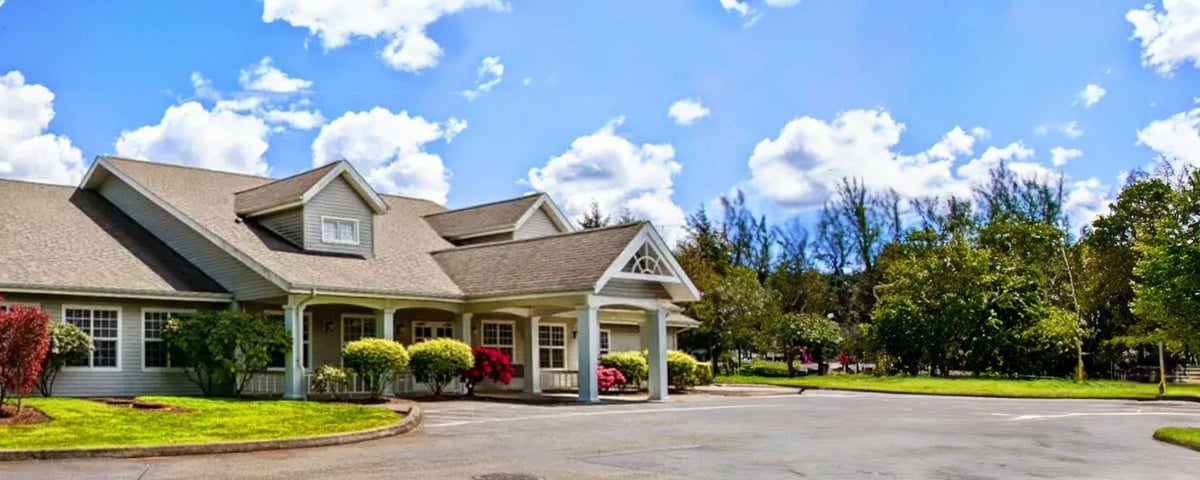
Washington senior care standards set the baseline. Liberty Place Senior Living shows how those standards turn into real daily support. Located in Port Orchard, just a ferry ride from Seattle, the community offers licensed assisted living, Vibrant Life® programming shaped by resident choice, and Elevate® dining inspired by fresh Washington flavors.
Schedule a tour and see how Liberty Place delivers consistent care in a setting designed to feel like home.