SPECIAL OFFERS
Sign up to receive special offers and updates

*Offer subject to change without notice. Contact a Director of Sales for complete offer details.

Use Chat : true

Holistic Mental Health in Assisted Living: Why It's More Than a Trend

Written By: Liberty Place
Holistic Mental Health in Assisted Living: Why It's More Than a Trend

Holistic mental health in assisted living means supporting emotional, cognitive, spiritual, and social needs, not just managing health conditions. This approach gives seniors a stronger sense of purpose, belonging, and well-being in daily life.

Too often, mental wellness in aging is treated as an afterthought. But seniors deserve more than routine; they deserve purpose, connection, and care that honors their full identity. According to the American Psychological Association, one in four older adults experiences some form of mental health concern.

Port Orchard, WA, just a ferry ride from Seattle, offers scenic views, charming shops, and a slower pace of life that makes it ideal for seniors looking to stay connected while enjoying a peaceful community. Holistic mental health practices tailored to this lifestyle make a difference every day, in conversation, in connection, and in care.

What Is Holistic Mental Health?

Holistic mental health is an approach that supports all parts of a person's well-being, including emotional, cognitive, physical, social, and spiritual. This method looks beyond diagnoses or symptoms and considers how someone feels, how they connect with others, and how they find meaning in life.

Where traditional mental health care often stops at managing conditions, holistic care continues into everyday life. That includes things like group conversations, creative activities, or spiritual routines that give structure and joy. Mindfulness exercises, book clubs, light movement classes, and outdoor gatherings all count.

In some respects, it's about helping people feel seen. That might mean recognizing a resident's need to talk, to rest, or simply to sit outside with someone. Emotional care plans -- where preferences, routines, and personality are factored in -- are a big part of getting it right.

What Is the Holistic Approach to Elderly Care?

Holistic elderly care means supporting the whole person, not just their physical health. Every person has a different story and pace. In that case, care should adapt, not the other way around.

Liberty Place Senior Living uses this type of approach through programs like Path to Wellness and the resident-directed Vibrant Life® calendar. These support residents in shaping their routines around what truly matters to them.

Some features of whole-person support include:

  • Residents choosing activities based on their interests and abilities
  • Staff building relationships through daily conversations and shared routines
  • Emotional, social, and spiritual needs being valued as much as physical comfort

Residents are more likely to thrive when their care is personal, flexible, and rooted in real-life meaning. That's how integrative senior wellness actually works.

Why This Matters in Assisted Living Communities

Older adults moving into assisted living often face major life changes. They might be adjusting to new routines, grieving a spouse, or working through health challenges. These are the moments where mental health matters most, and yet, it's often overlooked.

Holistic mental health care creates space for conversations, social activity, and self-reflection. At Liberty Place, residents often take part in wellness challenges, attend devotional services, or join their neighbors for games in the community lounge. These are small but consistent ways to maintain connection and build resilience.

Spiritual health in care tends to be overlooked elsewhere, yet Liberty Place offers devotional services right on-site. Whether someone's spiritual life is structured or personal, having the option to reflect and connect adds another layer of well-being.

Supportive environments like these lead to better long-term outcomes, including:

  • Lower risk of social isolation and cognitive decline
  • Stronger emotional balance during life transitions
  • More positive relationships with caregivers and peers

Daily routines built on inclusion and choice help residents feel safe and valued; two things that often lead to greater satisfaction with life.

How Holistic Mental Health Looks in Practice

Holistic mental health may sound broad, but in assisted living communities, it shows up in practical, day-to-day ways. These moments might be quiet, like reading in the library. Or they might be lively, like laughing through a group trivia night.

The key is that they're chosen, not assigned.

At Liberty Place Senior Living, mental and emotional wellness is supported through several types of activities and the environment. Some examples include:

  • Emotional well-being through staff check-ins, social games, and personal check-ins with care staff
  • Cognitive health support through word puzzles, brain games, and small group discussions
  • Spiritual wellness through meditation groups or attending on-site devotional services
  • Social connections built at communal dining tables, resident-led events, and outings
  • Physical health through group exercise classes, walking clubs, and fresh, nutritious meals

Frequently Asked Questions

Is Holistic Mental Health the Same as Therapy?

Not exactly. Therapy may be included, but holistic mental health focuses on everyday routines that support emotional, spiritual, and cognitive well-being. Activities like mindfulness, journaling, or music sessions are also part of this approach.

Do Residents Need to Have a Mental Health Condition to Benefit?

No. Holistic care supports all residents. It improves mental wellness in aging by reducing isolation and encouraging engagement, even for those without a formal diagnosis.

How Does Liberty Place Support Mental Wellness Day-to-Day?

Residents help shape their care and activity schedules. That includes emotional care plans, wellness programming, and group events like walking clubs, book circles, and spiritual services.

Can Residents Opt Out of Certain Activities?

Yes. All participation is voluntary. Holistic support is based on choice, not obligation, which allows residents to control how they spend their time.

Is Holistic Mental Health Evidence-Based?

Yes. Research shows that seniors who participate in activities that support emotional and social well-being are less likely to experience depression and more likely to maintain cognitive function.

Where Support Meets Purpose

Holistic mental health gives older adults the support they need to feel seen, heard, and connected in every part of life. It means going beyond basic care to nurture the emotional, spiritual, and social sides of well-being.

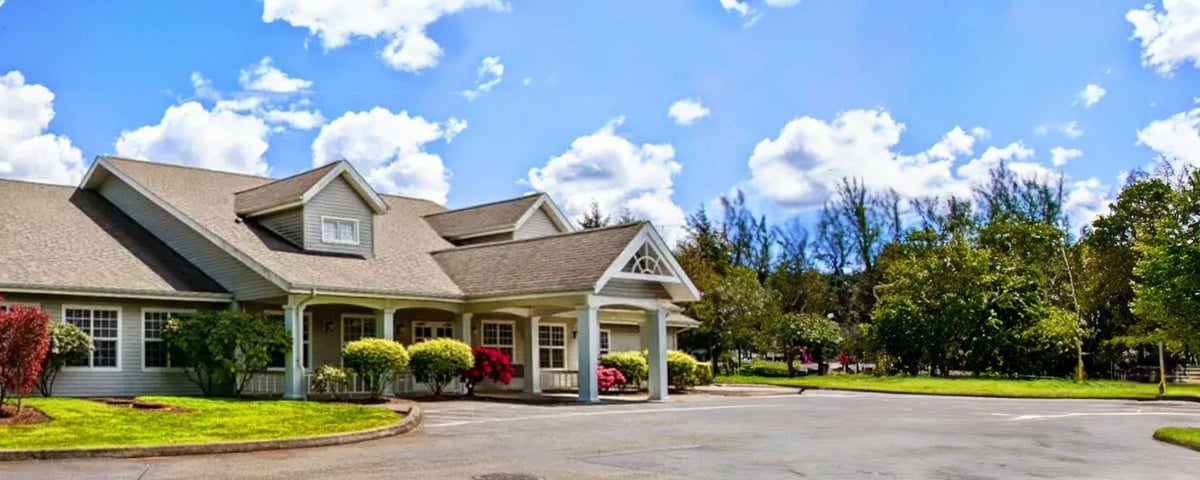
At Liberty Place Senior Living in Port Orchard, we bring this approach to life through resident-led activities, our Vibrant Life program, and Path to Wellness, all within a welcoming community surrounded by nature. Our full-sized tubs, library, enclosed courtyard, and devotional services are just a few reasons families trust us.

Schedule a tour today and see how Liberty Place supports whole-person care, every day.

Related Posts